
It’s September, and my social media is filling up with references to Mabon as, once again, it seems like almost all of pagandom is calling this month’s sabbat. But it’s a terrible name for this sabbat, as I think you’ll see.
Back in 1970, Aidan Kelly was deeply involved with a group consciously re-creating a pagan witch religion based on the work of Margaret Murray and Gerald Gardner. Kelly based his liturgical structures on literary works, such as Robert Graves, Arthurian legend, folklore from the Grimms, and mythological cycles from Wales and Greece.
Kelly himself says:
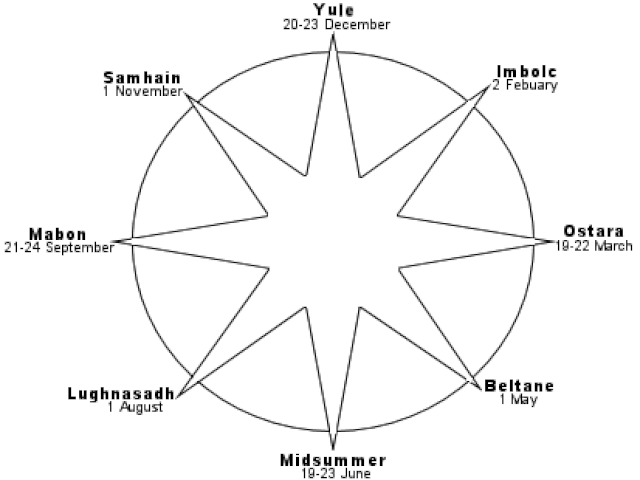
Back in 1974, I was putting together a “Pagan-Craft” calendar—the first of its kind, as far as I know—listing the holidays, astrological aspects, and other stuff of interest to Pagans. We have Gaelic names for the four Celtic holidays. It offended my aesthetic sensibilities that there seemed to be no Pagan names for the summer solstice or the fall equinox equivalent to Yule or Beltane—so I decided to supply them.[1]
Creative Commons Attribution-Share Alike 2.5
For the autumn equinox, Kelly was intrigued by the Eleusinian Mysteries, which began at the full moon closest to the equinox and seemed to fit the seasonal cycle well. However, he needed a Saxon name to fit the rest of his naming convention, and so looked at northern Europe. German and Celtic literature didn’t suit, but in the Mabinogion collection, there is a story of Mabon ap Modron, or “Son, son of Mother”.
Joanna van der Hoeven makes an interesting argument for Mabon:
“I think the most important aspect of Mabon is that it was said that he was the greatest hunter of all time. And when does hunting season begin? For the majority of hunted animals which here in the UK are birds, it is around the Autumn Equinox when the season really gets underway. Deer hunting technically starts at the beginning of August, but the deer are hard to find as they are still hiding away from the summer’s heat until it gets dark. It is around the Autumn Equinox when you are able to see them out again during the day, from late afternoon onwards.”
For me, the problem is that Mabon’s story has no particular link to the season of Autumn or themes of balance, or harvest which most earth-centered spiritualities celebrate at this time. Nor did Welsh druids celebrate the equinox. Even though he is abducted, it’s a bit of a stretch to link him to Kore (Persephone) because he is only three days old. (And he is rescued by Arthur in fulfillment of a quest, making the link even weaker.) I mean, if you want to keep the non-Welsh naming conventions, why not Herne, or Ullr?
Mhara Starling also makes a very good point when she says,
“I also wish more folks would familiarise themselves with the Welsh origins of Mabon. If they insist on using the name for the festival. How wonderful it would be if the autumn equinox became a time to honour Mabon, Maponos, and the spirit of the Welsh bardic tradition and Welsh myth. Alas, instead most folks are unaware of a Welsh connection at all.”
In JaguarMoon we call this sabbat the Autumn Equinox, or perhaps Harvest Home.
For us (and many pagans), this is a celebration of the Second Harvest, that of the fruit. The last of the berries are being picked, the apples are coming off the trees, and the grapes are being examined daily in anticipation of their harvest and subsequent pressing.
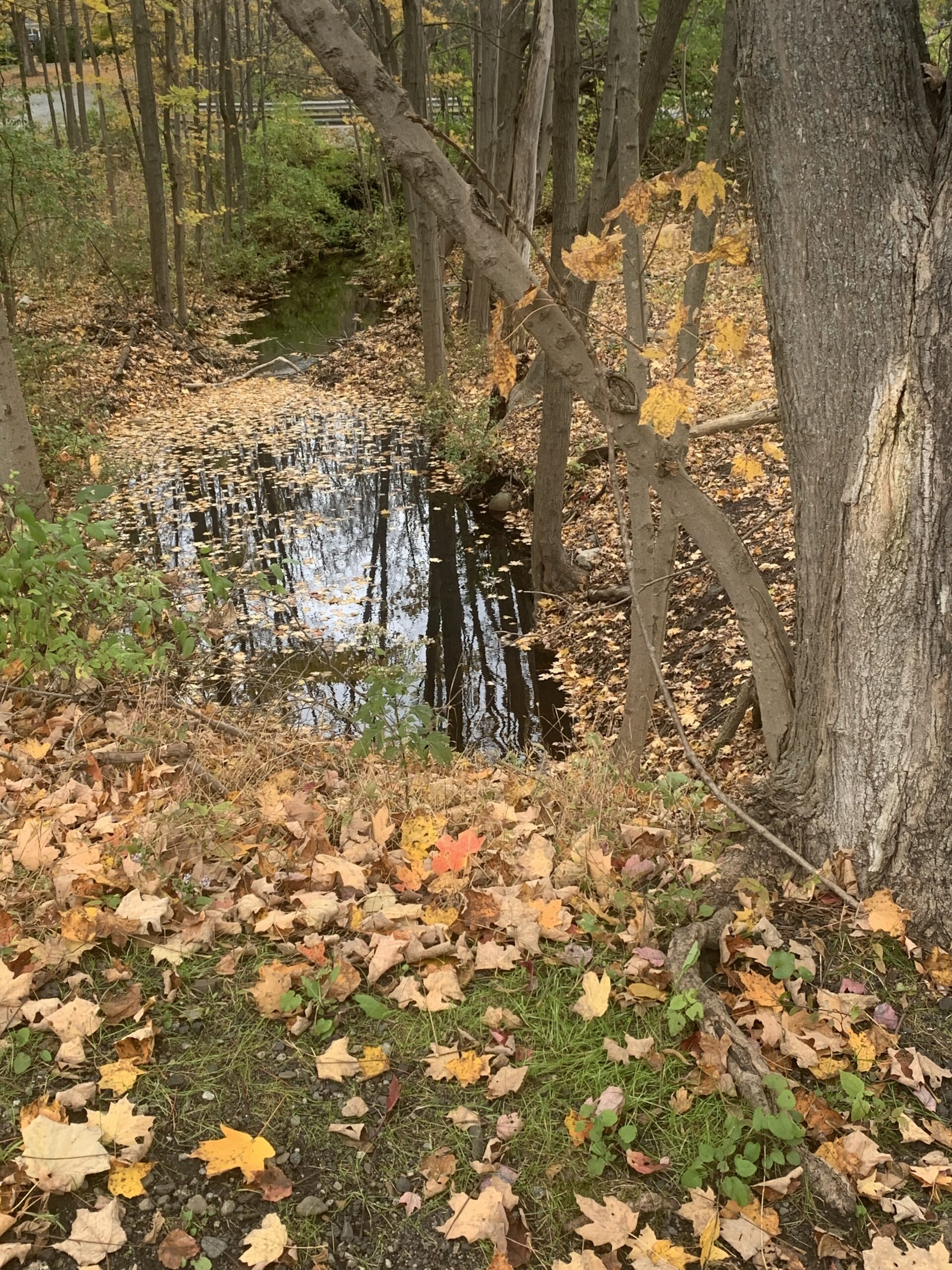
While the day itself is marked by an equal day and night, we can see the signs all around us of the coming darkness: the leaves are changing their colors to sparkling yellow, scorching vermilion, and burnished orange. It’s growing cooler, especially at night.
All those beautiful colors come from dying vegetation; a beauty tinged with sadness. We see the world around us dying and going out in a glorious fire–swirling red and orange leaves. It is a melancholy beauty. It is this beauty-wrapped-in-gentle sorrow that makes Autumn special. We are uplifted by its beauty even as we are reminded that everything in this world is ephemeral. All will pass away.
This sabbat is a time for appreciation for the harvest we have reaped, both from the garden and in our actions for the past year. When we harvest what we gather, we provide for our families and ourselves, while honoring the plants and animals that die that we may thrive. Starting with Lammas, the First Harvest, we have a chance to participate in the cycle of death and renewal that culminates with a celebration of the dead at Samhain. This is a time to honor our resources and resourcefulness, the frugality and careful planning we have done this year to get us and our loved ones through the cold constraints of winter. This is the time of remembrance and gleaning. We honor what we have, what we need, and what we can provide to others. We look with clear vision at where we are weak, where we are strong, and where we exist in between those two poles.
(post image copyright Lisa McSherry)
[1] Kelly, Aidan, May, 2017,”Naming Ostata, Litha, and Mabon” found at: https://www.patheos.com/blogs/aidankelly/2017/05/naming-ostara-litha-mabon. Accessed 9.5.24